Book Now
tops

Schedule Semaglutide Consultation

SEND

By clicking SEND, you agree to our HIPAA Policy

tops

Deep Plane Facelift in Houston, Texas

Natural-looking facial rejuvenation designed to help you look refreshed, rested, and still unmistakably like yourself.

As we age, the cheeks gradually descend, the jawline becomes less defined, and loose skin or fullness may develop beneath the chin. Even with excellent skin care, facial volume changes and deeper tissue laxity can make you look more tired or older than you feel. A facelift addresses changes that skin treatments, injectables, and other nonsurgical options cannot fully correct.

Our Facial Plastic Surgeon, Dr. Tareq Sawan, offers an individualized deep plane facelift approach in Houston, focusing on repositioning the deeper tissues of the face rather than simply pulling the skin tighter. His goal is refined, balanced rejuvenation: softer jowls, a more defined jawline, improved cheek position, and a face and neck that look harmonious—not stretched or artificial.

If you are considering facelift surgery, a personal consultation is the first step toward learning which approach best fits your anatomy, goals, and lifestyle.

adult woman facelift houston

What Is a Facelift?

A facelift, also called a rhytidectomy, is a surgical procedure that improves age-related sagging of the face and, when appropriate, the neck. It can address jowling, loss of lower-face definition, descent of the cheek tissues, and loose skin along the jawline. Rather than changing your fundamental appearance, the intention is to restore a more youthful version of your own facial contours.

A modern facelift works with the skin and the deeper support layer known as the superficial musculoaponeurotic system (SMAS). Depending on the surgical plan, incisions are typically placed around the ears and discreetly within natural creases or the hairline. Excess skin is tailored after the underlying tissues have been repositioned. Neck contouring, fat transfer, or other complementary procedures may also be recommended when they would meaningfully improve facial balance.

Virtual Consult

Book Now

What Is a Deep Plane Facelift?

The deep plane facelift is a technique that addresses facial aging beneath the SMAS support layer. By carefully mobilizing the deeper facial tissues and releasing selected retaining ligaments where appropriate, the descended cheek and lower-face tissues can be repositioned in a more anatomically natural direction. The skin and deeper tissues are then redraped with less reliance on tension placed on the skin alone.

For the right patient, this can provide meaningful improvement in the cheek-to-jawline transition and jowls while preserving natural facial expression. It is not simply a tighter facelift—it is a different way of addressing the deeper structural changes that contribute to an aged facial appearance.

The deep plane technique is not automatically the best choice for every individual. Facial Plastic Surgeon Dr. Tareq Sawan evaluates skin quality, tissue position, neck anatomy, prior procedures, and overall goals before recommending the specific surgical plan.

Why Patients Consider a Deep Plane Approach

  • Addresses deeper facial descent: lifts the tissues contributing to heaviness in the midface and along the jawline.
  • Refines the lower face: aims to improve jowls and restore a cleaner transition from the cheeks to the jaw.
  • Supports natural-looking results: emphasizes tissue repositioning rather than an overly tight skin appearance.
  • Can be paired with neck rejuvenation: helps create a balanced result between the lower face, jawline, and neck when a neck lift is indicated.
  • Allows individualized planning: the direction and extent of lifting are tailored to each patient rather than using a one-size-fits-all approach.

No facelift technique guarantees a particular outcome, and results depend on anatomy, healing, skin quality, and the procedures performed.

What Can a Facelift Improve?

You may be a candidate if you notice that your facial contours look less defined than they once did—or if you find yourself gently lifting the skin near your cheeks or jaw in the mirror to imagine how you might look with improved support.

  • Jowls or heaviness along the jawline
  • Sagging or descended cheek tissues
  • Loss of definition between the face and neck
  • Loose skin of the lower face
  • Some deep facial folds related to tissue descent
  • Neck laxity, visible bands, or fullness when a neck procedure is included

A facelift does not remove every fine line, correct pigmentation or sun damage, or directly rejuvenate the upper eyelids, lower eyelids, or forehead. Those concerns may be better addressed with resurfacing, eyelid surgery, brow surgery, or other targeted treatments.

Natural-Looking Results: Looking Refreshed, Not Different

One of the most common concerns patients express is that they do not want to look "pulled," "windswept," or unlike themselves. Dr. Tareq Sawan approaches facelift surgery with the goal of respecting the unique shape of your face, your natural expressions, and the relationship between your cheeks, jawline, and neck.

A thoughtful result is about proportion and restraint, not simply the maximum amount of tightening. That includes careful incision planning, attention to the hairline and ear contours, appropriate treatment of the neck when needed, and avoiding unnecessary changes to features that already look balanced. Scars are an unavoidable part of surgery, but they are planned to be as discreet as the anatomy permits.

woman facelift surgery houston

Who Is a Good Candidate for Deep Plane Facelift Surgery?

The ideal candidate is not defined by a specific birthday. Some people develop significant jowling or neck laxity earlier than others because of genetics, facial structure, weight changes, and sun exposure. Others may benefit from surgery later in life. More important considerations include your anatomy, overall health, and goals.

Good candidates are generally in reasonable health, have realistic expectations about improvement and healing, and are able to follow postoperative instructions. Nicotine use, certain medications, prior facial surgery, and medical conditions can affect risks and the operative plan. During consultation, these factors will be reviewed carefully to help determine whether surgery is appropriate and whether any preparation is needed.

smiling woman facelift houston

Facelift and Neck Lift: Should They Be Performed Together?

A youthful-looking face and a well-defined neckline usually go hand in hand. When loose neck skin, visible platysmal banding, fullness beneath the chin, or a poorly defined cervicomental angle accompanies jowling, treating only the face may leave an imbalance. In these cases, a combined face and neck lift may provide a more cohesive contour.

Depending on your examination, neck rejuvenation may involve repositioning and tightening deeper neck tissues, addressing the platysma muscle, managing excess fat, and redraping the skin. Not every patient needs every component. Dr. Tareq Sawan will explain whether a neck lift, a facelift alone, or a more focused neck procedure best addresses your concerns.

Can a Facelift Be Combined With Other Procedures?

Facial aging affects more than one area, so a customized plan may include procedures that complement a facelift without making the result look overdone. Options that may be discussed include:

  • Facial fat transfer to address selected areas of age-related volume loss
  • Upper or lower blepharoplasty to rejuvenate the eyelids
  • Brow lift for a descended brow or heaviness around the upper eyes
  • Neck lift or targeted neck contouring for jawline and neck definition
  • Laser resurfacing or other skin treatments to improve fine lines, texture, and sun damage

These treatments are not automatically included in facelift surgery. Whether procedures can be safely combined depends on your goals, examination, medical history, and the overall treatment plan.

What to Expect at Your Facelift Consultation

Your consultation is an opportunity to discuss what bothers you, understand the available options, and decide whether surgery feels right for you. Our Facial Plastic Surgeon, Dr. Tareq Sawan will assess the face and neck as a whole rather than focusing on one wrinkle or one area of loose skin.

Your visit may include:

  • A conversation about the changes you have noticed and the result you hope to achieve
  • An examination of facial proportions, skin elasticity, soft-tissue descent, jowls, and neck contours
  • A discussion of deep plane facelift surgery and alternatives that may be appropriate for you
  • Review of relevant medical history, medications, prior procedures, and nicotine exposure
  • Photographs for planning and discussion, with privacy respected
  • A personalized conversation about incision placement, anesthesia, recovery, realistic results, risks, and expected costs
  • Time to ask questions and make an informed decision without pressure

The best surgical plan is not always the most extensive one. The goal is to recommend an approach that matches your anatomy and the changes that matter most to you.

What Happens on the Day of Facelift Surgery?

Before surgery, you will review your plan and any final questions with Dr. Tareq Sawan. Preoperative markings help guide the placement of incisions and the intended direction of tissue repositioning. You will also meet the anesthesia and surgical team and undergo the required safety checks.

Facelift surgery is generally performed with anesthesia selected for your procedure and medical needs, often general anesthesia. After incisions are made in planned locations around the ears and hairline, the deeper facial tissues are released and repositioned according to the surgical plan. The skin is gently redraped, and extra skin is conservatively removed. If your plan includes a neck lift or fat transfer, those steps are performed as appropriate.

The length of surgery varies depending on whether the operation is a facelift alone or part of a combined procedure. Some patients are discharged the same day, while others may benefit from overnight observation. Dressings, drains, and follow-up timing are individualized rather than identical for every patient.

Deep Plane Facelift Recovery: What to Expect

Most patients are pleasantly surprised that discomfort is often more manageable than they expected, although swelling, tightness, bruising, and temporary numbness are normal parts of recovery. Recovery varies according to the extent of surgery and individual healing. A general planning timeline is:

First few days

Expect swelling, a sense of tightness, and possible bruising around the cheeks, jawline, and neck. Rest, short walks, elevation, prescribed medications, and careful incision care are important. Any dressings or drains are managed according to the postoperative instructions you receive.

Days 7–14

Bruising and swelling often improve enough for some patients to resume light work or limited social activities, although visible swelling may still be present. Sutures are removed on a schedule based on the incision and how you are healing. If you have an important event, allow additional recovery time.

Weeks 2–4

The face and neck usually continue to look more settled. Many patients gradually return to their usual routines, but strenuous exercise, heavy lifting, and other activities should resume only when cleared by the surgical team.

Following months

Residual swelling, firmness, altered sensation, and incision maturation can take weeks to months to resolve. While many people look socially presentable sooner, the final refinement of facial contours and scars evolves over a longer period. Follow-up visits are an important part of this process.

Seek prompt medical attention for rapidly increasing one-sided swelling, severe worsening pain, significant bleeding, breathing difficulty, or other concerning symptoms. You will receive individualized postoperative guidance about what to watch for and whom to contact.

How Long Do Deep Plane Facelift Results Last?

A facelift can provide a lasting improvement in facial contours, but no procedure stops the natural aging process. The duration of improvement differs from one person to another and depends on genetics, skin quality, sun exposure, weight fluctuations, lifestyle, and the surgical plan. Facial tissues continue to change with time, even after a successful operation.

Consistent sun protection, avoiding tobacco and nicotine, maintaining a stable weight, and following a suitable skin care routine may help preserve the quality of your skin and complement your surgical result.

Facelift Safety and Possible Risks

All surgery involves risks, even with careful planning. Possible facelift complications include bleeding or hematoma, infection, fluid collection, delayed wound healing or skin loss, visible scarring, temporary or prolonged numbness, hairline changes or hair loss near an incision, facial asymmetry, and temporary or rarely persistent weakness of facial movement from nerve injury. Anesthesia and blood-clot-related complications are also possible. Additional treatment or revision surgery may occasionally be necessary.

Dr. Tareq Sawan will discuss risks relevant to your anatomy, medical history, and intended procedures. An informed decision includes understanding both the potential benefits and the limitations of surgery.


Frequently Asked Questions About Deep Plane Facelift Surgery

Will I look like myself after a facelift?

That is the intention. The goal is a rested and rejuvenated appearance that respects your natural facial features. The extent of visible change depends on your anatomy and the agreed-upon surgical plan.

What is the difference between a deep plane facelift and a traditional facelift?

Facelift techniques differ in how the deeper support tissues are managed. A deep plane facelift mobilizes tissues beneath the SMAS and, when appropriate, releases selected retaining ligaments to reposition deeper facial structures. Other approaches may tighten or rearrange the SMAS differently. The best technique depends on the patient rather than the name of the procedure alone.

Will I have visible scars?

A facelift requires incisions, most commonly placed along natural contours around the ear and, when needed, within the hairline. Scars typically become less noticeable as they mature, but their appearance depends on skin type, healing, incision care, and individual factors.

Is a facelift painful?

Patients often describe tightness, pressure, swelling, and soreness more than severe pain, but experiences vary. Your recovery instructions will include an individualized pain-control plan and guidance on symptoms that should prompt a call to the practice.

How much time should I take off work?

Many patients plan approximately 14 days away from work or public-facing activities, with more time if their work is physically demanding or privacy is important. Swelling can remain visible beyond this window, so allow flexibility around important events.

Will a facelift also improve my neck?

It can when neck rejuvenation is part of the plan. If neck skin laxity, fat, or platysmal banding is a significant concern, a dedicated neck lift component may be recommended to create a more balanced face and neckline.

Can fillers or skin-tightening treatments replace a facelift?

Nonsurgical treatments can be valuable for volume, fine lines, and selected early aging changes. However, they cannot reposition significantly descended facial tissues in the same way that surgery can. During consultation, you can discuss the benefits and limits of surgical and nonsurgical options.

Is there an ideal age for a facelift?

There is no single ideal age. The decision is based on the degree of facial laxity, health, skin quality, and personal goals rather than age alone.

Schedule a Deep Plane Facelift Consultation in Houston

If loose cheeks, jowls, or a less-defined jawline are making you feel that your appearance no longer matches how you feel, a personalized consultation can help you understand your options. Our Facial Plastic Surgeon, Dr. Tareq Sawan takes an individualized approach to facial rejuvenation with an emphasis on natural-looking, balanced results.

Schedule a consultation to discuss whether a deep plane facelift, face and neck lift, or another approach is right for you.

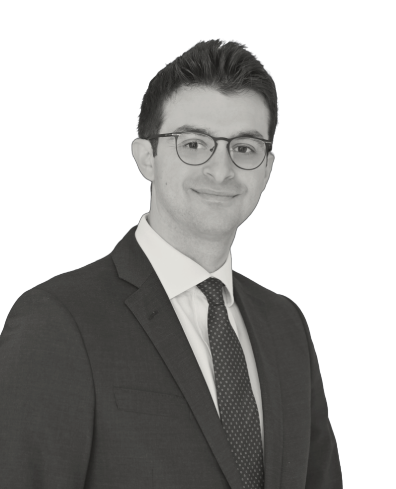
Dr. Tareq Sawan

Meet Dr. Tareq Sawan

Lead Facial Plastic Surgeon

Dr. Tareq Sawan is a highly skilled facial plastic surgeon specializing in cosmetic and reconstructive procedures for the face, neck, nose, eyelids, eyebrows, and ears. With top-tier education from the University of St. Andrews School of Medicine and Yale School of Medicine, he excelled academically and clinically, earning prestigious awards. Collaborating with renowned facial plastic surgeon Dr. Neil Gordon, Sawan contributed to advancements in facelift surgery. He further refined his expertise through a fellowship at the American Academy of Facial Plastic and Reconstructive Surgery. Dr. Sawan is dedicated to providing detailed, compassionate patient care and meticulous surgical techniques. He strives for natural-looking results that align with each patient's desires and expectations.

The Oaks Plastic Surgery is your home for high-end, high-quality, luxury plastic surgery care in Houston, Texas

Call to schedule a consultation
832-900-7070