


Visualize your NEW LOOK in 3D NOW

Start now
Natrelle® Breast Implants
IMPORTANT SAFETY INFORMATION

Breast implants are not lifetime devices. The longer patients have them, the greater the chance they will develop complications, which may require more surgery. Breast implants have been associated with a cancer of the immune system called breast implant–associated anaplastic large cell lymphoma (BIA-ALCL). Some patients have died from BIA-ALCL. Patients have also reported a variety of systemic symptoms such as joint pain, muscle aches, confusion, chronic fatigue, autoimmune diseases, and others.

Natrelle® Breast Implants are for breast augmentation and revision surgery in women at least 22 years old for silicone-filled implants and women at least 18 years old for saline-filled implants.

You should not get breast implants if you currently have an active infection, untreated breast cancer or precancer, or are pregnant or nursing. Tell your doctor about any conditions you have, any medications you are taking, and any planned cancer treatments. Breast implantation is likely not a one-time surgery.

Having implants removed and not replaced may lead to permanent cosmetic changes of the breasts. Breast implants may affect breastfeeding. Gel implants may rupture without symptoms, so periodic imaging after surgery is recommended.

Key complications are reoperation, implant removal, implant rupture, implant deflation with saline-filled implants, and severe capsular contracture.

Talk to your doctor for more information.

The use of Natrelle® Breast Implants is restricted to licensed physicians who provide information to patients about the risks and benefits of breast implant surgery.

TOPS | The Oaks Plastic Surgery How Long After Breast Augmentation Can I Start Working Out? - The Oaks Plastic Surgery
tops

Schedule Semaglutide Consultation

SEND

By clicking SEND, you agree to our HIPAA Policy

tops

How long should I wait to work out after my breast augmentation?

We get asked this question a lot before and after surgery! We tell all of our patients that they can do very light cardio such as walking at 2 weeks. We then typically give full clearance at about 6 weeks. Each patient is unique and so each experience will be different!

One of the topics we discuss during your consultation is implant placement and if it is best for your anatomy to have your implants placed below or above the muscle. Once you have decided what implant placement is best for you with the guidance of your doctor, it is good to note that there is a slight difference in the after care.

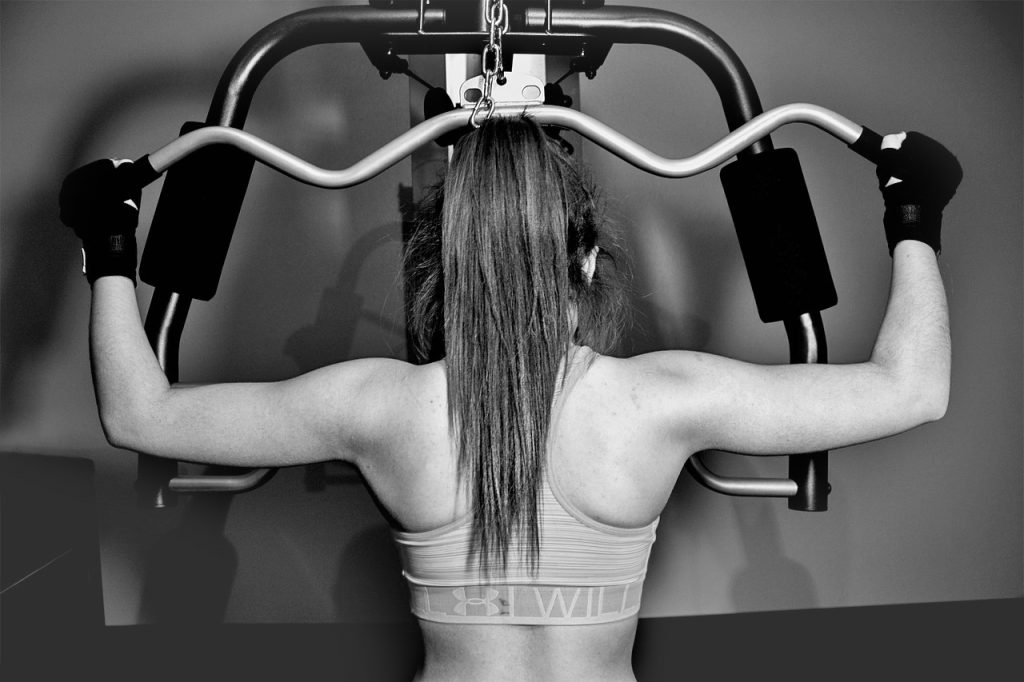
When choosing to go under the muscle, we highly recommend to avoid strenuous chest exercises such as push ups, pull ups, bench presses, etc. Doing these types of exercises cause your muscles to contract. If you do these chest exercises too early after surgery, there is risk of displacing your implants. Usually, with over the muscle implant placement, there is no limitation on chest exercises after the 6 week clearance.

Secondly, how physically active are you now? Implants should not impede you from having an active lifestyle but it is important to communicate to your doctor what your exercise routine is like. This will help with the decision of implant placement.

Most importantly, listen to your body! If at any time when returning to an active routine, your body swells or there are any aches.. stop and give your body rest. Wearing appropriate sport bras will also help support and diminish any soreness and aching.

We can’t wait to see you in the office to go over all these details in person!

Leave a comment

Previous Posts

The Oaks Plastic Surgery is your home for high-end, high-quality, luxury plastic surgery care in Houston, Texas

Call to schedule a consultation
832-900-7070

Visualize your
NEW LOOK in 3D NOW!

Start now
Start now
Natrelle® Breast Implants
IMPORTANT SAFETY INFORMATION

Breast implants are not lifetime devices. The longer patients have them, the greater the chance they will develop complications, which may require more surgery. Breast implants have been associated with a cancer of the immune system called breast implant–associated anaplastic large cell lymphoma (BIA-ALCL). Some patients have died from BIA-ALCL. Patients have also reported a variety of systemic symptoms such as joint pain, muscle aches, confusion, chronic fatigue, autoimmune diseases, and others.

Natrelle® Breast Implants are for breast augmentation and revision surgery in women at least 22 years old for silicone-filled implants and women at least 18 years old for saline-filled implants.

You should not get breast implants if you currently have an active infection, untreated breast cancer or precancer, or are pregnant or nursing. Tell your doctor about any conditions you have, any medications you are taking, and any planned cancer treatments. Breast implantation is likely not a one-time surgery.

Having implants removed and not replaced may lead to permanent cosmetic changes of the breasts. Breast implants may affect breastfeeding. Gel implants may rupture without symptoms, so periodic imaging after surgery is recommended.

Key complications are reoperation, implant removal, implant rupture, implant deflation with saline-filled implants, and severe capsular contracture.

Talk to your doctor for more information.

The use of Natrelle® Breast Implants is restricted to licensed physicians who provide information to patients about the risks and benefits of breast implant surgery.